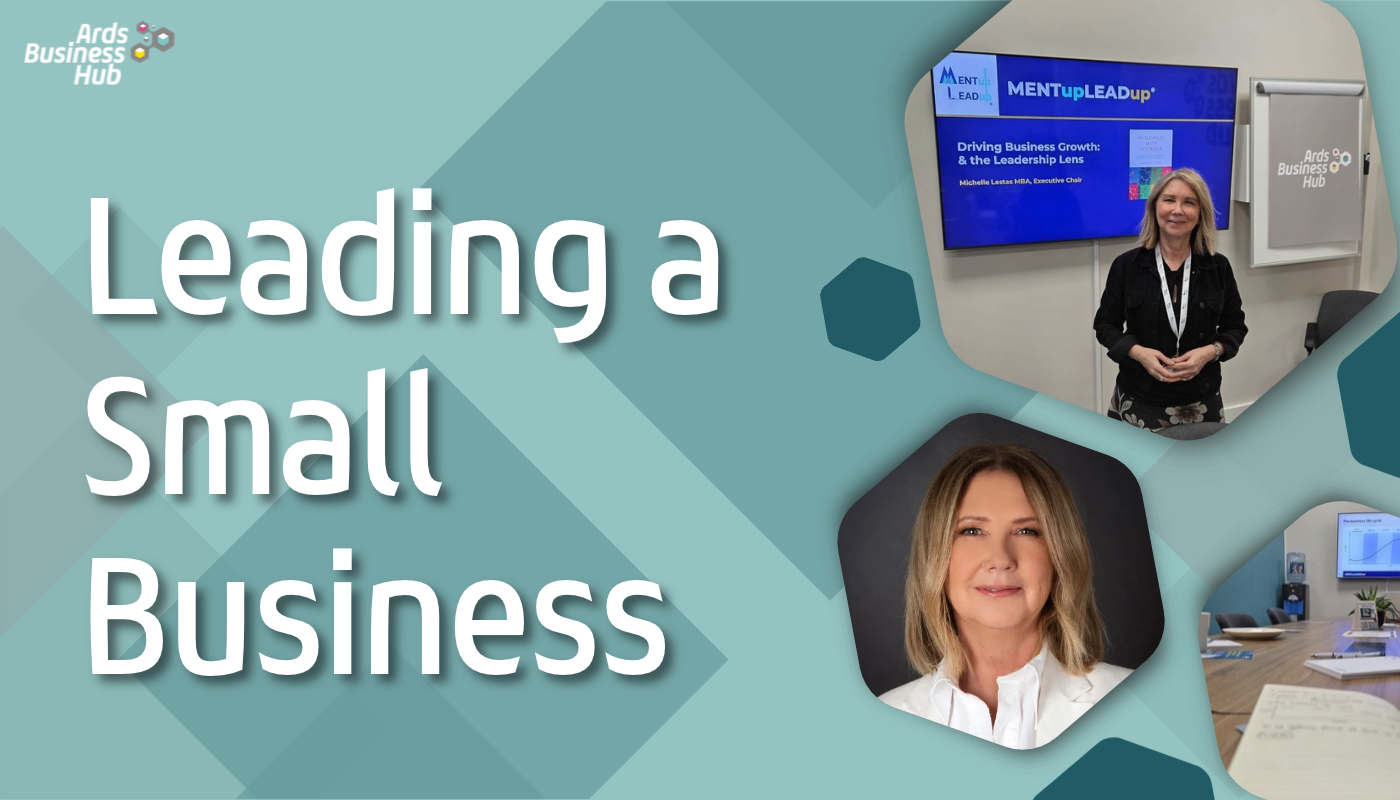
"Leading a Small Business" - Leadership, people and the next stage of business growth
What does growth look like for your business? Are you building for greater turnover, creating a business that supports your lifestyle, preparing for succession or planning an eventual exit?
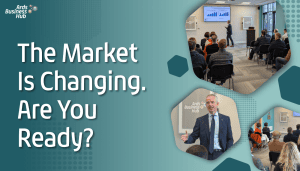
These were some of the questions explored at the second session in our Future-Proof Your Sales series, focused on leadership, resilient teams and the people strategies that help businesses grow sustainably.
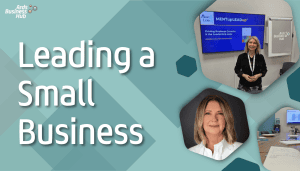
The session brought together business owners and leaders to explore the challenges of managing, developing and growing an organisation, with insights from Michelle Lestas, author of In Business with Yourself.
Understanding leadership
Michelle explored the eight different types of small business leaders, encouraging business owners to reflect on their own leadership style, strengths and challenges.
Running a small business can often feel isolating. Business owners can find themselves operating on the periphery, juggling multiple responsibilities without the opportunity to step back and consider the bigger picture.
Getting into the right room, connecting with other business owners and being open to new perspectives can help create the space to reflect, challenge assumptions and consider what’s next.
Where are you in your business journey?
Every business has a lifecycle, from establishing and surviving through to stabilising, growing and thriving. The leadership skills needed at each stage will change. Understanding where your business is currently positioned, and where you want it to go, is an important part of planning for growth.
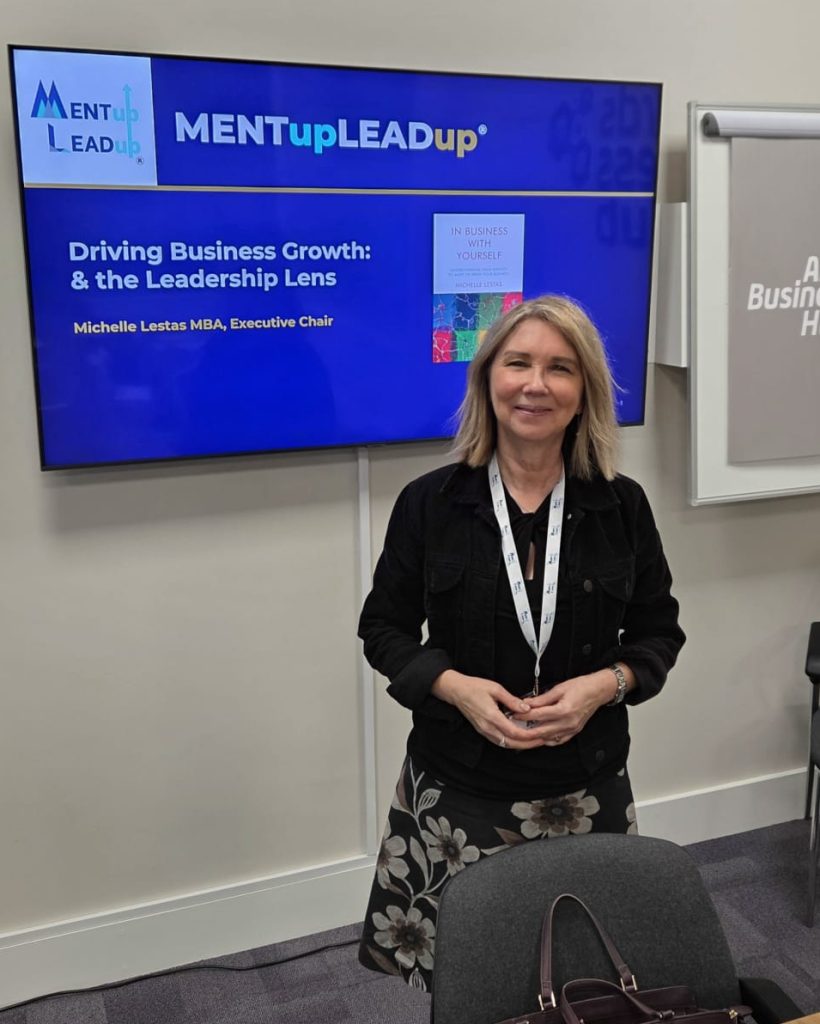
Michelle highlighted the connection between leadership skills, productivity and business performance, reinforcing the importance of developing the people and capabilities needed to support the next stage of a business’s journey.
The discussion also explored the role of family businesses in Northern Ireland, including the challenges of succession and the importance of preparing businesses and future generations for long-term sustainability.
Growth doesn’t always mean doing more of the same. Using Ansoff’s Matrix, business owners were encouraged to consider different routes to growth, from developing existing markets and products to exploring new opportunities and diversification.
In a rapidly changing business environment, reinvention is increasingly important. With AI reshaping the digital landscape, the workplace and the job market, businesses need to consider how they adapt, develop skills and embrace change.
Leadership starts with people
Michelle also used Maslow’s Hierarchy of Needs to encourage reflection on leadership and employee motivation. As business leaders, it’s important to consider not only where we are on our own journey, but where our staff are too.
Are people simply establishing themselves in their roles, or are they supported, motivated and given the opportunity to develop and thrive?
Understanding the needs of your team can help inform how you lead, communicate and create an environment where people can contribute to their full potential.
The Executive Identity Model was also introduced as a lens through which to explore leadership approaches, including the Game Changer, encouraging attendees to reflect on how they lead, make decisions and respond to change.
What's your why?
One of the biggest questions for any business owner is what they ultimately want their business to achieve.
Are you building a lifestyle business? Planning to sell? Growing an organisation that can operate independently of you? Or creating a business that will continue through future generations?
Having clarity around your purpose and your long-term ambitions should influence the decisions you make today. Your strategy, people, investment and growth plans should all support the bigger picture.
The Future-Proof Your Sales series is designed to give business owners the opportunity to step away from the day-to-day, gain fresh perspectives and explore the practical challenges and opportunities facing their businesses.
Because sustainable growth isn’t just about selling more. It’s about building the leadership, people and foundations to make it possible.